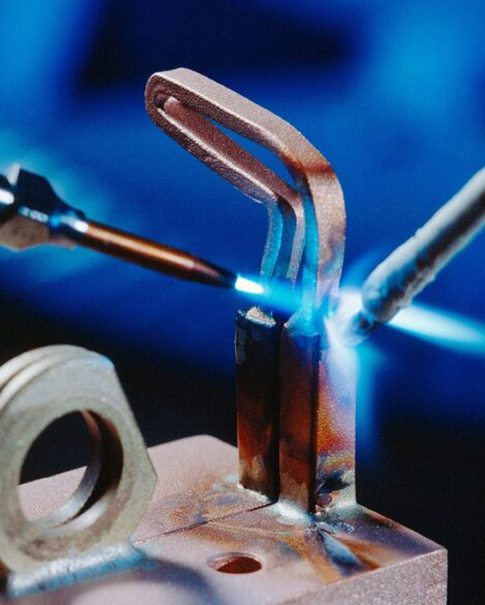
When brazing filler metal beads up, spreads unevenly or fails to enter a joint, adding more heat is not always the answer. Surface oxides, an unsuitable flux or a mismatch between materials and working temperature may be affecting the process.
The result can be frustrating: repeated heating, inconsistent joint appearance and additional rework. Choosing a suitable brazing flux, together with proper preparation and heating, helps address these problems at their source.
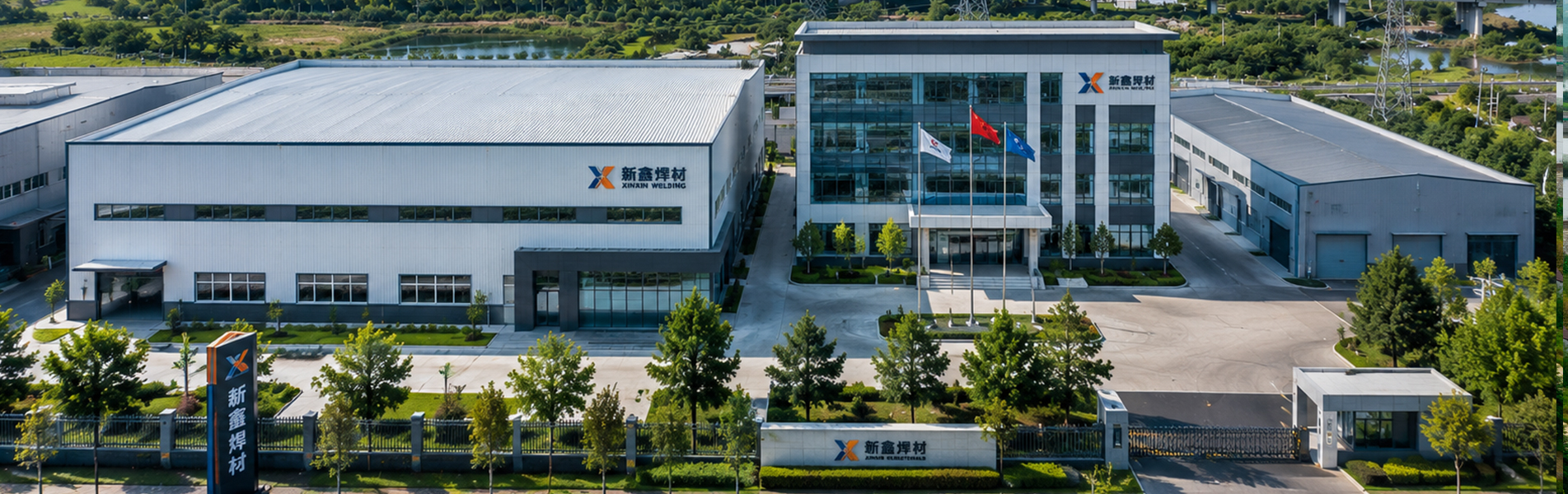
At Tongling Xinxin Welding Materials Co., Ltd. — XINXIN WELDING, we supply brazing fluxes and complementary filler metals for distributors, wholesalers and industrial customers. Our approach starts with your application, helping you select materials suited to the metals you need to join.
Metal surfaces can develop oxides before and during heating. These oxides interfere with wetting, making it difficult for molten filler metal to spread across the surface and enter the joint.
A suitable brazing flux helps remove surface oxides and protects the joining area against further oxidation during its effective working period. This creates more favorable conditions for filler flow and joint formation.
However, flux works as part of a complete process. Clean surfaces, appropriate joint clearance and controlled heating remain essential. Even a suitable flux cannot compensate for oil contamination, poor fit-up or excessive heat.
Choosing flux by price or appearance alone can lead to disappointing results. The right choice depends on the base metals, filler alloy, heating method and working temperature.
XINXIN WELDING offers flux products for different brazing needs, including QJ102 silver brazing flux and QJ201 aluminum brazing flux, alongside complementary brazing alloys.
For silver brazing applications, the flux should suit both the selected silver alloy and the metals being joined. Share your material combination and process details with us to discuss whether QJ102 is appropriate.
For brass brazing applications, including work with RBCuZn-C bare rods, suitable flux selection is an important part of the process. We can discuss filler metal and flux requirements together, as well as flux-coated rod options.
For aluminum joining, use a flux specifically selected for the aluminum grade, filler metal and process. QJ201 is part of our aluminum brazing materials range; suitability should be confirmed for the intended application before production.
Selecting the correct combination from the beginning makes sample testing more useful and helps avoid unnecessary trial and error.
If filler metal is not flowing as expected, review the preparation and process before changing products.
Start with clean surfaces. Remove oil, dirt and surface contamination using methods appropriate for the base metal. Flux supports oxide removal during heating, but it does not replace initial cleaning.
Check the joint fit. For capillary brazing, the clearance must suit the materials and process. An unsuitable gap can restrict filler penetration even when the flux is working.
Apply flux appropriately. Follow the product instructions for preparation, coverage and quantity. Excess flux can increase residue and cleaning work without improving the joint.
Heat the assembly evenly. Bring the joint area to the required temperature while avoiding prolonged direct heating of the filler rod. Overheating can exhaust the flux and encourage further oxidation.
Complete the cleaning process. Remove residues as directed by the flux manufacturer and the application requirements. Post-braze cleaning is part of producing a finished component, rather than an optional final step.
The purchase price of a container of flux is only one part of its value. A more useful comparison considers the work required to produce an acceptable joint.
How easily can operators apply the product? Does it remain effective throughout the heating cycle? Does it support wetting with the chosen filler alloy? How much cleaning is required afterward?
For manufacturers, these details affect labor and rework. For distributors, they influence whether a product meets customers’ expectations and earns repeat orders.
Testing samples on your own components is the best starting point for a meaningful comparison. Evaluate filler flow, joint appearance, residue removal and the performance required in service.
When flux and filler metal are purchased separately, compatibility questions can take longer to resolve. Discussing them together helps simplify selection and keeps the application requirements clear.
Alongside brazing fluxes, XINXIN WELDING supplies:
· Brass brazing rods and wires, including RBCuZn-C options.
· Copper-phosphorus and silver-bearing copper-phosphorus alloys.
· Silver brazing alloys.
· Aluminum brazing materials.
· Flux-coated and flux-cored brazing alloys.
For distributors and wholesalers, this range supports a broader product offering. For industrial customers, it provides a convenient way to discuss complementary materials with one supplier.
We also welcome enquiries about bulk supply, customized packaging and private-label options, subject to the product and order requirements.
A suitable brazing flux should fit your process, rather than force your operators to work around it.
Whether you are reviewing a filler-flow problem, developing a new application or expanding your welding supplies range, XINXIN WELDING is ready to discuss your requirements.
Send us your base metals, filler alloy, heating method and estimated purchase quantity. If you are replacing an existing product, its label or technical data sheet can help us understand what you currently use.
Contact us to discuss product selection, sample availability, packaging and a quotation.
TONGLING XINXIN WELDING MATERIALS CO., LTD.
XINXIN WELDING
Contact: Jasmine
WhatsApp / WeChat: +86 13705623213
Email: jasmine@xxhccn.com
Website: https://www.superlionwelding.com/
Tel : +86 13705623213
Email : Jasmine@xxhccn.com
Wechat : +8613705623213
Whatsapp : +8613705623213
Address : 4077 Qifeng Road, Tongling, Anhui, China