“We Thought the Problem Was the Aluminum Rod…”
Last year, one of our customers in Southeast Asia contacted XINXIN WELDING about a problem in aluminum brazing.
They were producing aluminum heat exchangers for air conditioning systems.
At first, the factory believed the issue came from the aluminum brazing rod itself.
The workers complained that:
▶ the filler metal was difficult to flow,
▶ some joints looked dry,
▶ and after pressure testing, small leakage problems appeared repeatedly.
To solve the problem, they tried:
▶ changing the flame temperature,
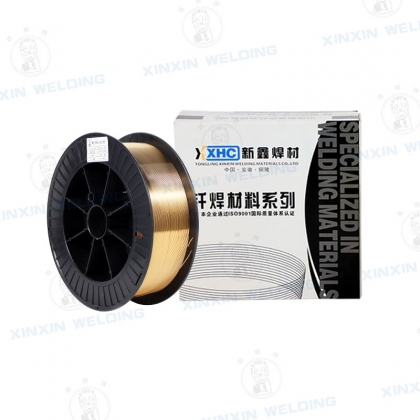
▶ replacing different aluminum rods,
▶ increasing heating time.
But nothing really improved.
In fact, overheating made the aluminum parts deform even more.
After discussing the production process with their engineers, we discovered one important detail:
they were using a very low-quality aluminum brazing flux with unstable performance.
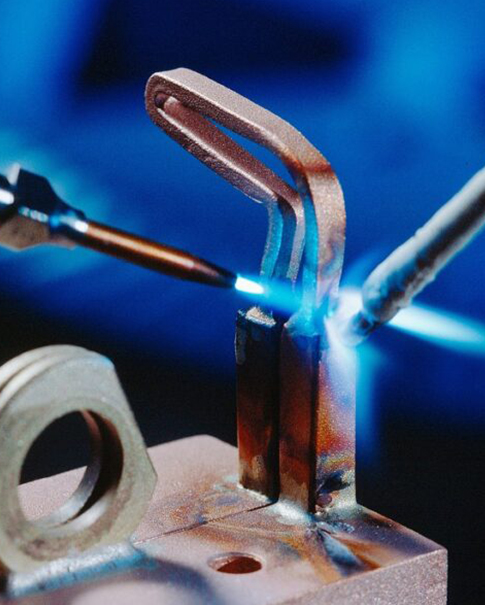
The flux could not effectively remove the oxide layer from the aluminum surface.
This is actually a very common problem in aluminum brazing.
Unlike copper, aluminum oxidizes extremely fast once exposed to air.
Even if the surface looks clean, a thin oxide layer already exists.
Without a stable brazing flux, the filler metal simply cannot wet the base material properly.
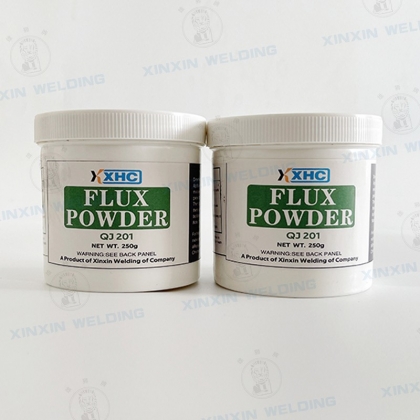
We suggested they test XINXIN WELDING QJ201 Aluminum Brazing Flux.
The customer first used it on a small batch production line.
The feedback came back surprisingly fast.
Their workshop supervisor said:
“The first thing we noticed was the filler metal started flowing much faster.
The brazing area looked cleaner, and workers no longer needed to repeatedly heat the same joint.”
A week later, the factory reported another improvement:
the leakage rate during pressure testing dropped significantly.
For them, this was more important than anything else.
Because in HVAC manufacturing, every leakage problem means:
▶ rework,
▶ wasted material,
▶ delayed delivery,
▶ and unhappy customers.
After two months, the customer fully switched to QJ201 Aluminum Brazing Flux from XINXIN WELDING.
Today, they mainly use it for:
▶ aluminum heat exchangers,
▶ aluminum tube connections,
▶ automotive radiator parts,
▶ and refrigeration system components.
Many people think brazing flux is only a “supporting material.”
But experienced factories know:
sometimes the success of the entire brazing process depends on the flux itself.
At XINXIN WELDING, we focus on helping customers achieve more stable production, cleaner brazing results, and
lower defect rates — not just selling materials.
Tel : +86 13705623213
Email : Jasmine@xxhccn.com
Wechat : +8613705623213
Whatsapp : +8613705623213
Address : 4077 Qifeng Road, Tongling, Anhui, China