How to Distinguish the Quality of RBCuZn-A Welding Wire
The key is to differentiate it from similar-looking wires, especially those with incorrect silicon content. Excess or
improperly formulated silicon can cause brittle intermetallic compounds when joining steel and copper, leading to
joint failure.
Follow these three steps: "1. Inspect – 2. Verify – 3. Test"

Step 1: Visual & Label Inspection (Quick Screening)
Start by checking the packaging and wire surface.
Check Product Marking:Look for the specification `AWS A5.8: RBCuZn-A` clearly printed on the packaging or
the wire spool. This is the most direct identifier.
Surface Quality:High-quality wire should be smooth, clean, free of oil/grease, and free of rust. Dark, heavily
oxidized surfaces indicate poor quality and can cause spatter and cracks.
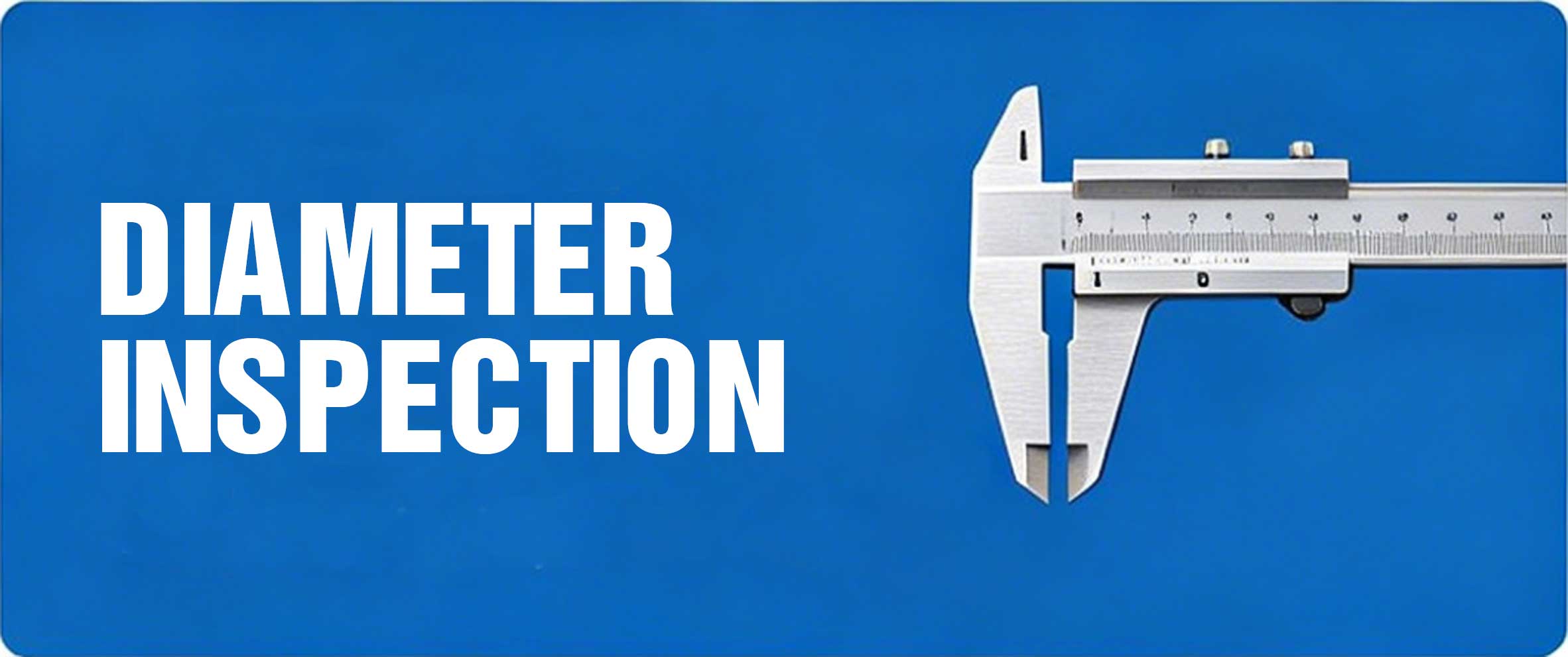
Diameter Tolerance:Use a micrometer to measure the wire diameter. High-quality wire maintains a tolerance of
±0.02 mm or better. Ovality (out-of-roundness) should be less than 0.015 mm. Poor tolerance causes feeding issues.
Step 2: Chemical Composition Verification (Core Indicator)
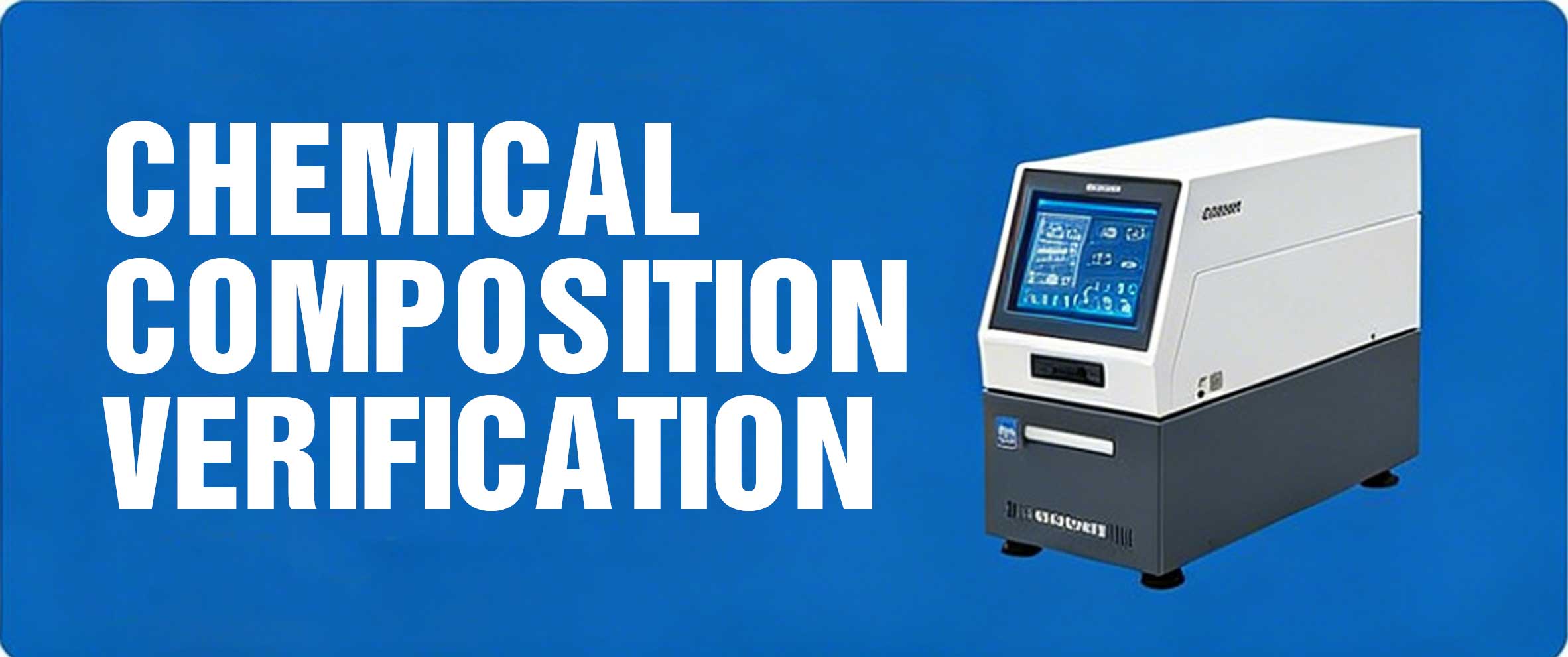
This is the most critical step. If possible, request the Mill Test Certificate (MTC) from your supplier. Compare the
values against the AWS A5.8 standard.
| Key Element | Standard Requirement (AWS A5.8) | Why It Matters |
| Silicon (Si) |
0.01-0.50% |
Most important check point. RBCuZn-A allows a small amount of Si. However, silicon-free alternatives (e.g., S223 type: BCu59Zn(Sn)) are often superior as they completely eliminate the risk of brittle phases at the steel interface. |
| Copper (Cu) | 57.0-61.0% | Below this range reduces joint strength and corrosion resistance. |
| Tin (Sn) | 0.25-1.0% | Improves fluidity, strength, and corrosion resistance. |
| Total Impurities | ≤0.50% | Lower impurities (especially Lead Pb) mean better quality. |
Note for dissimilar metal welding (Steel + Copper):For high-strength joints, a silicon-free grade (formula often written
as `BCu59Zn(Sn)`) is recommended to completely avoid interface embrittlement.
Step 3: Performance Verification (Weld Test)
If conditions permit, a test weld is the best real-world validation.
Fluidity: Quality RBCuZn-A wire should melt smoothly and wet the base metal evenly. Poor spreading indicates
incorrect chemistry.
Spatter Level:Spatter should be minimal during welding. Excessive spatter wastes filler metal and contaminates
the workpiece.
Mechanical Properties:A standard RBCuZn-A brazed joint achieves approximately 350–400 MPa tensile strength
and 88–100 HB hardness. Significantly lower values indicate poor wire quality.
Summary & Practical Advice
If you don't have access to a spectrometer or other lab equipment, use these practical steps:
1. Choose a reliable supplier. Only buy from brands that can provide a Mill Test Certificate (MTC) upon request.
2. Focus on the Silicon (Si) number on the MTC.
- If you need maximum reliability for steel-to-copper joints, strongly consider a silicon-free alternative (often
labeled as `BCu59Zn(Sn)` or `S223`).
- If you must use standard RBCuZn-A, ensure Si is within 0.01–0.50%.
3. Run a simple test weld on a scrap piece identical to your actual workpiece. Observe flow, spatter, and try to
break the joint — a poor wire will fail easily at the interface.
Tel : +86 13705623213
Email : Jasmine@xxhccn.com
Wechat : +8613705623213
Whatsapp : +8613705623213
Address : 4077 Qifeng Road, Tongling, Anhui, China