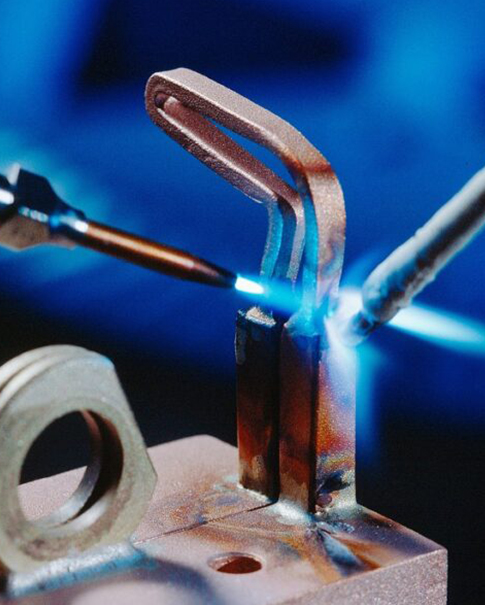
Brazing is widely known as the "universal adhesive of the industry". Its core advantage lies in achieving firm,
airtight, and durable connections for almost all types of materials through low-temperature welding without melting
the base metals. Similar to adhesive bonding yet far more reliable, brazed joints can withstand extreme industrial
conditions including high temperature, high pressure, and severe vibration, making it an indispensable core process
in modern manufacturing.
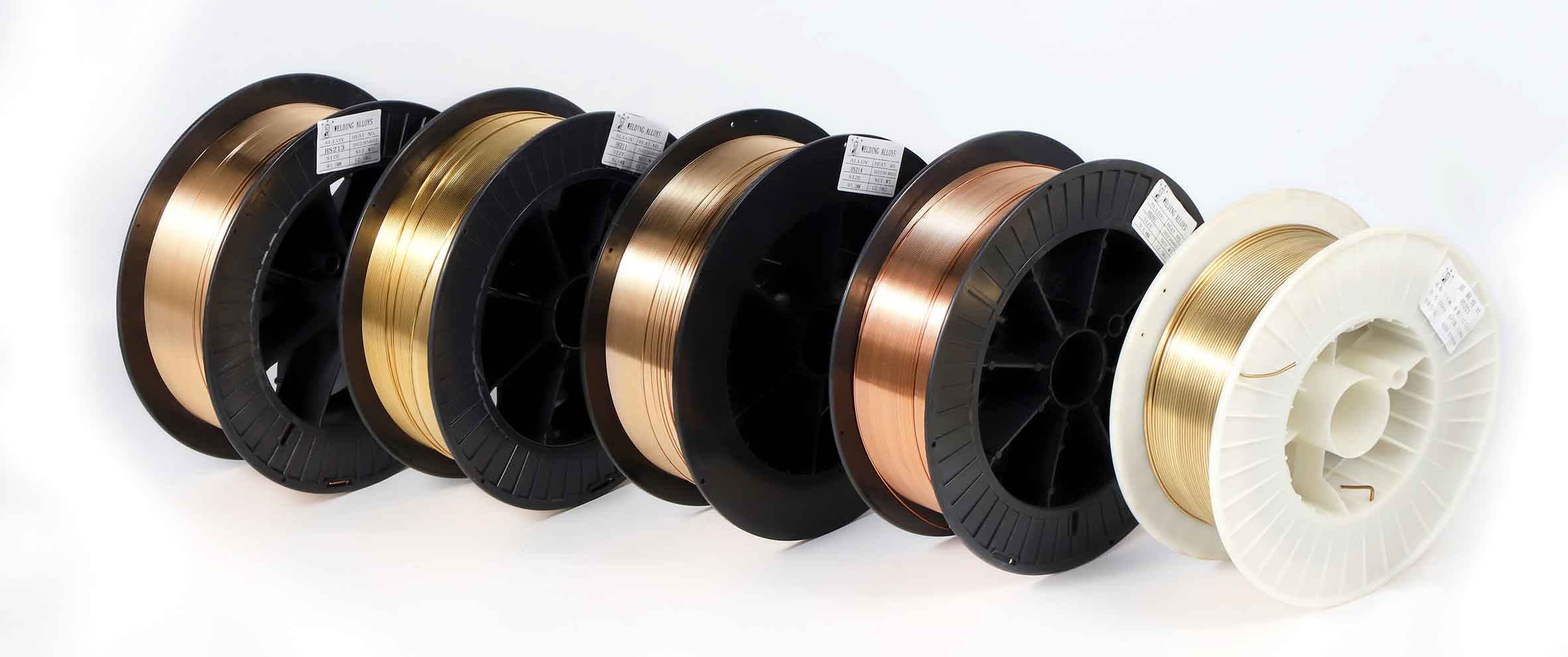
1. Working Principle: Metallurgical Bonding Beyond Ordinary Adhesives
• Low-temperature fusion only for filler metals: Adopt low-melting-point brazing fillers including tin-based, copper-
based, and silver-based alloys. Only the brazing material melts during heating, while the base metal remains completely
solid.
• Microscopic metallurgical combination: The liquid brazing filler fills tiny gaps evenly through capillary action and
forms a stable atomic-level metallurgical bond after cooling, delivering much higher strength and durability than
chemical glue bonding.
• No damage to base materials: With a clear temperature classification (soft brazing: below 450℃, hard brazing:
above 450℃), the whole process causes no deformation, no structural damage, and no performance change to
workpieces.
2. Four Core Advantages of Industrial-Grade Versatility
2.1 Universal Material Compatibility
Brazing realizes seamless connection of almost all metal and partial non-metal materials, breaking the limitations of traditional welding processes:
• Homogeneous metals: Steel, copper, aluminum, stainless steel, etc.
• Dissimilar metals: Copper-steel, aluminum-stainless steel, cemented carbide-steel, etc.
• Metal & non-metal composite: Metal-ceramic, metal-graphite, metal-diamond connections
• Special structural matching: Applicable to workpieces with huge thickness differences, such as thin foils and
thick blocks, micro precision parts and large shells
2.2 Universal Structural Adaptability
It perfectly adapts to precision, complex, dense and high-seal structural welding scenarios that cannot be
achieved by traditional welding:
• Precision components: Electronic pins, instrument parts, sensors with zero obvious deformation
• Dense joint structures: Heat exchangers, honeycomb structures, multi-layer filter screens, realizing one-time
multi-point welding
• High-tightness parts: Air conditioning pipelines, hydraulic systems, vacuum equipment, ensuring zero air and
liquid leakage
2.3 Excellent Comprehensive Joint Performance
Brazed joints integrate high strength, electrical conductivity, thermal conductivity and corrosion resistance,
meeting diverse industrial functional requirements:
• High strength: Hard brazed joints are close to the strength of base metals, while soft brazing meets fine
electronic and sealing application standards
• Diversified functions: Excellent conductivity for circuit boards, superior thermal conductivity for heat dissipation
modules, reliable sealing for refrigeration equipment, and high temperature resistance for aerospace parts
• Smooth appearance: Neat and flat joint surface, reducing subsequent processing procedures and improving
production efficiency
2.4 Full-industry Application Scenarios
As a universal industrial connection process, brazing covers almost all manufacturing fields:
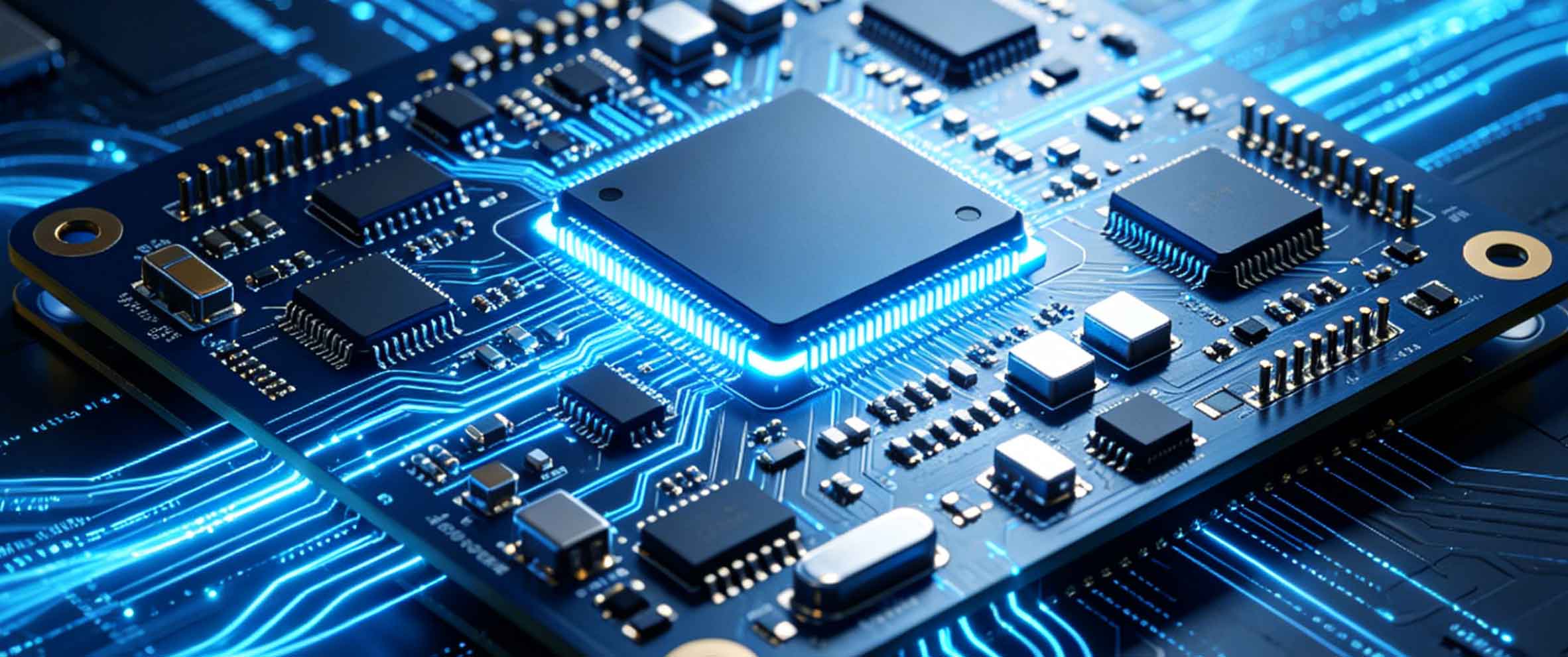
• Electronics industry: PCB welding, chip packaging and precision electronic assembly
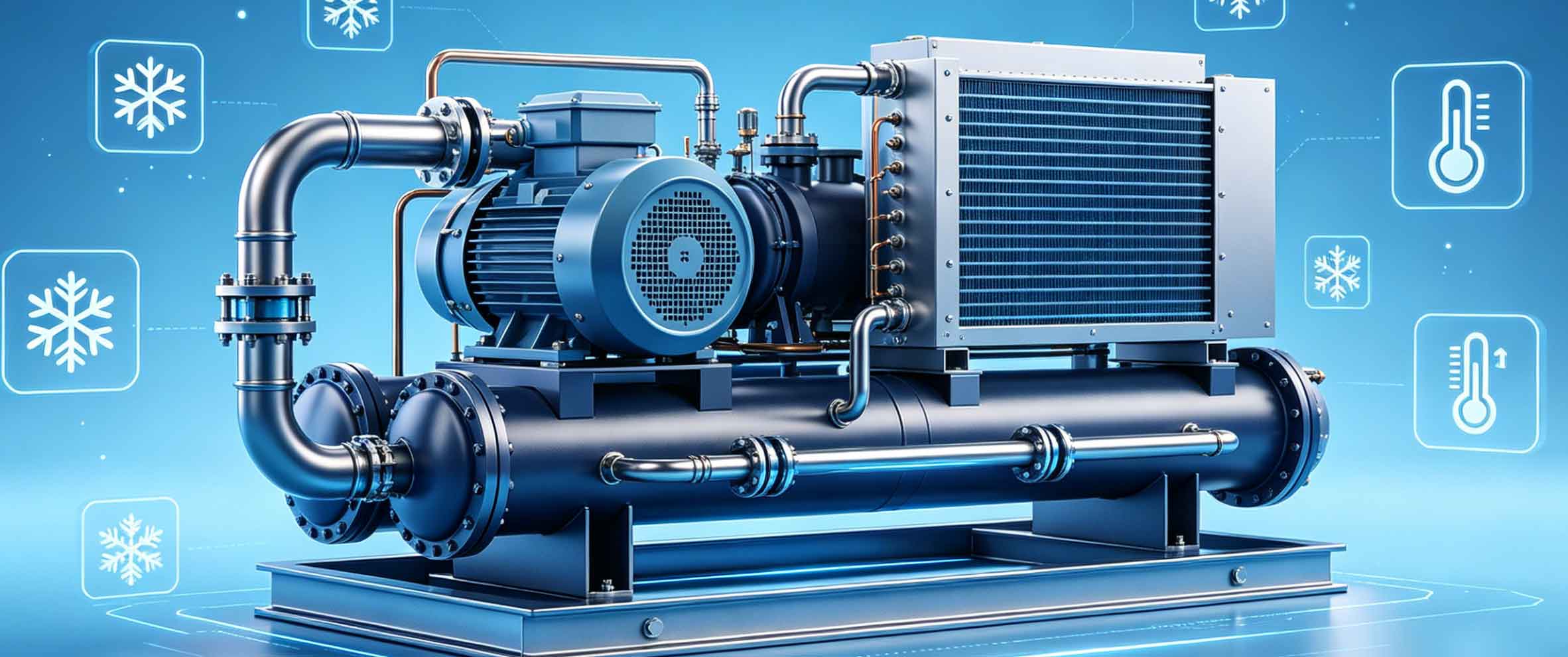
• Refrigeration industry: Air conditioner & refrigerator heat exchangers, copper pipe sealing connection
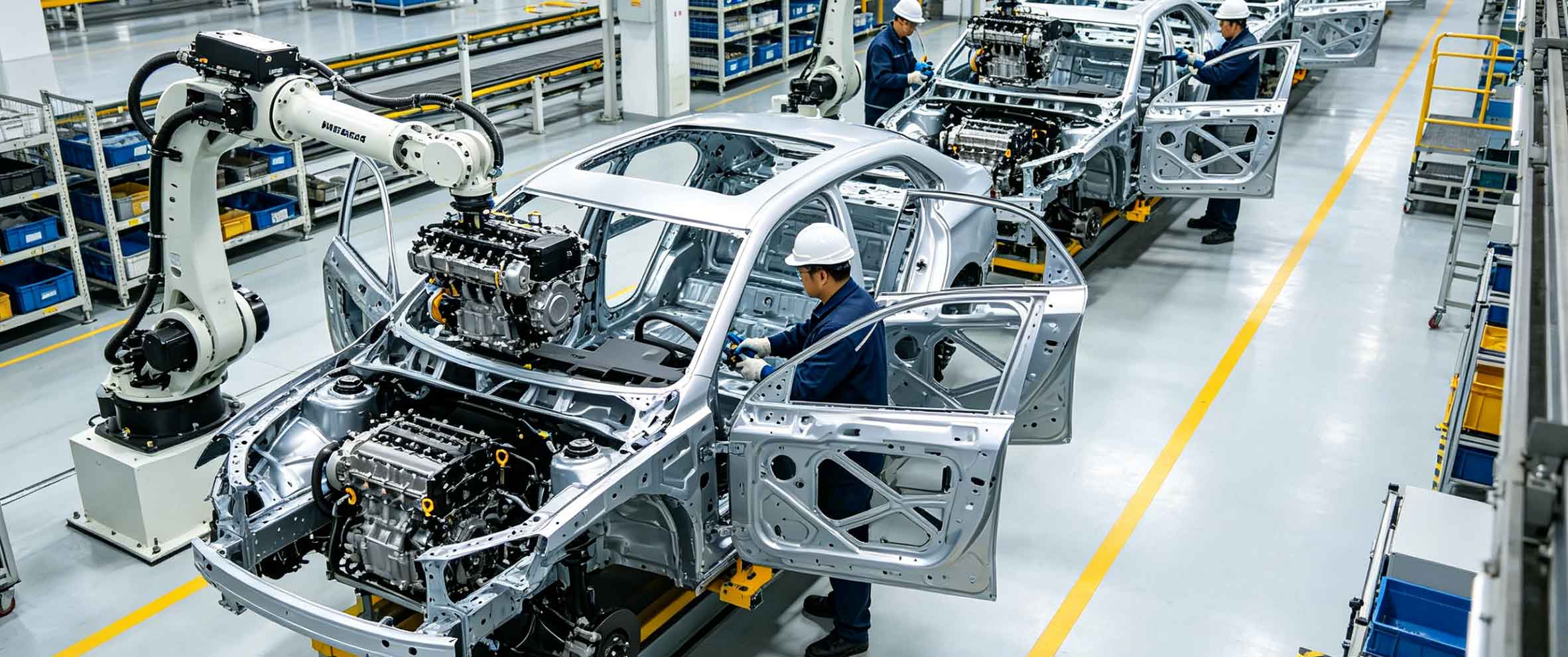
• Automotive industry: Radiators, air conditioning pipelines, automotive sensors and core components
• Aerospace industry: Engine conduits, heat exchange equipment, honeycomb structural parts
• Tool manufacturing: Brazing of cemented carbide cutter heads, drill bits and wear-resistant tools
3. Process Comparison: Why Choose Brazing Instead of Welding or Glue?
• Fusion Welding: Ultra-high temperature will melt the base metal, causing workpiece deformation and structural
damage. It is only suitable for homogeneous metal welding and cannot process precision parts or dissimilar material
connections.
• Chemical Adhesive: Low bonding strength, poor high temperature and vibration resistance, and non-conductive
& non-thermal-conductive. It cannot adapt to heavy-duty and high-temperature industrial working conditions.
• Brazing Process: It perfectly balances low-temperature operation, zero deformation, dissimilar material connection,
high joint strength and multi-functional performance, which is the only all-round connection process for complex industrial
manufacturing.
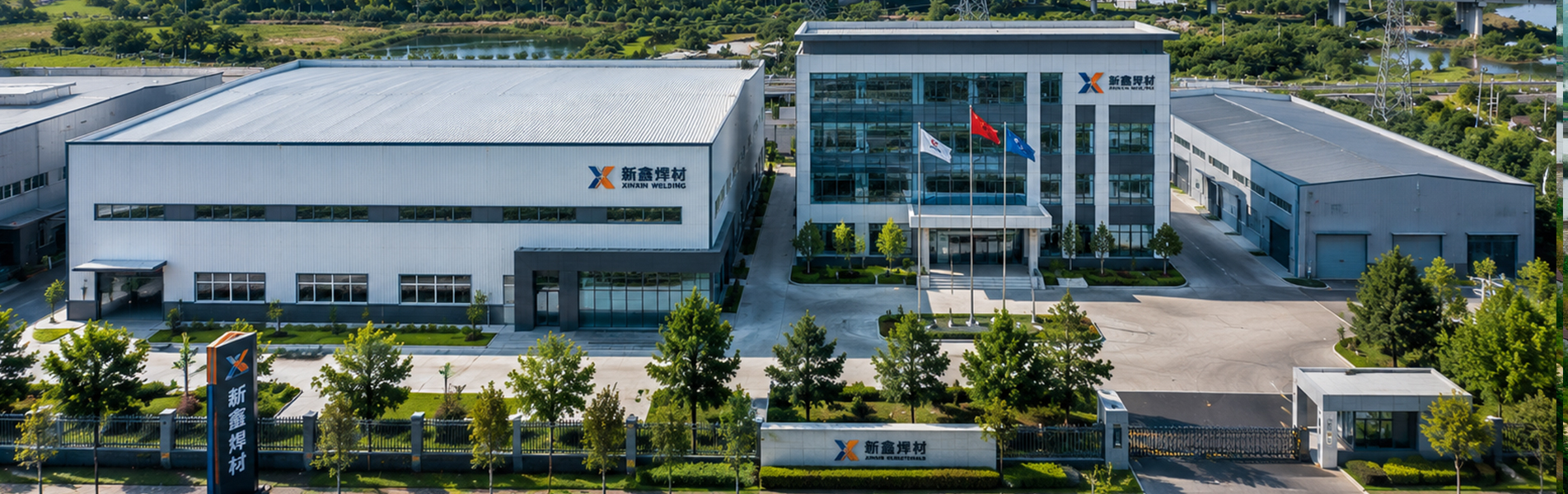
4. Brand & Product Introduction | Tongling Xinxin Welding Materials Co., Ltd.
Tongling Xinxin Welding Materials Co., Ltd. is a professional manufacturer and supplier of high-quality brazing
materials with rich industry experience. We focus on R&D, production and sales of series brazing products to provide
one-stop reliable welding solutions for global manufacturing enterprises.

Our Core Products:
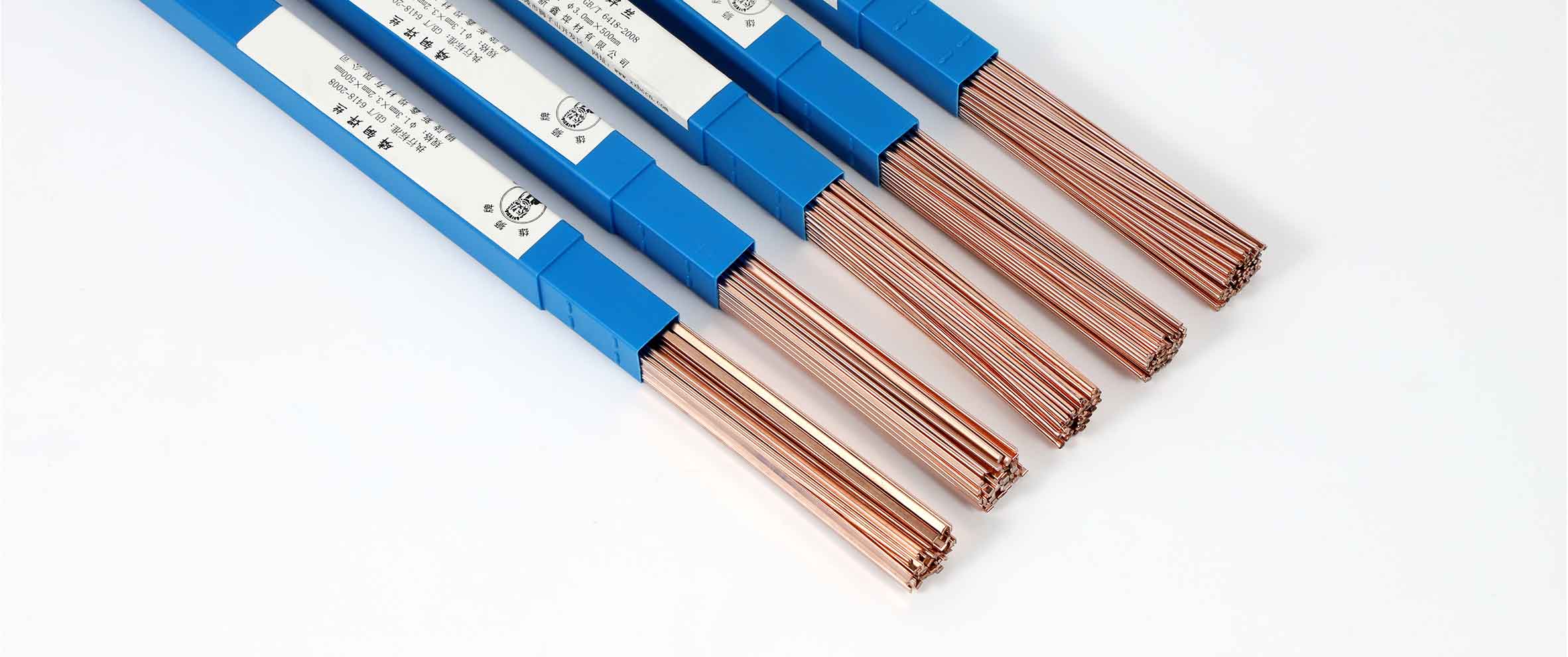
• Phosphor Copper Brazing Rods & Wires
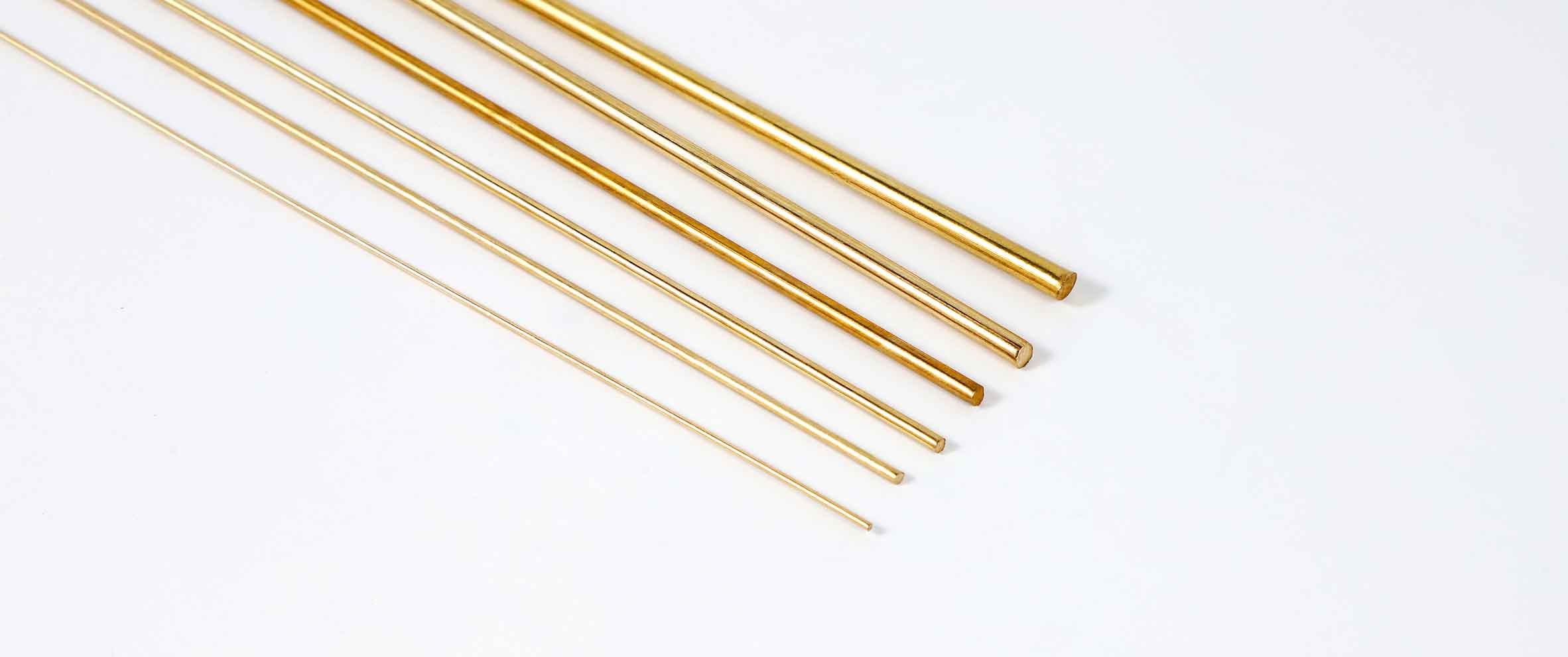
• Silver-based Brazing Alloys & Silver Solder Strips
• Copper-based Brazing Materials
• Customized special brazing fillers for special working conditions
All our products feature stable performance, smooth welding, high bonding strength, good airtightness
and wide compatibility. Widely applied in refrigeration, HVAC, automobile, hardware, aerospace, tool manufacturing
and other industries, our brazing materials help global customers improve welding quality, reduce production costs and
enhance product competitiveness.
5. Summary
Brazing is the ultimate industrial-grade metal adhesive featured by low-temperature non-damage, full-material
compatibility, precise structure forming and strong & durable joints. Tongling Xinxin Welding Materials empowers
global industrial manufacturing with high-quality brazing materials, delivering reliable and efficient connection solutions
for all industrial welding scenarios.
Tel : +86 13705623213
Email : Jasmine@xxhccn.com
Wechat : +8613705623213
Whatsapp : +8613705623213
Address : 4077 Qifeng Road, Tongling, Anhui, China