
To differentiate the quality of brass welding rods, you can evaluate them based on the following aspects:
1. Composition and Alloy Proportions
Chemical Composition: High-quality brass welding rods generally contain stable proportions of copper, zinc, and small amounts of other alloy elements like lead, tin, etc. The proportion of these elements affects the rod's strength, corrosion resistance, and flowability.
Standard Certification: Check whether the welding rod adheres to industry standards (such as AWS, ISO) and ensure the composition complies with these specifications.
2. Surface Quality
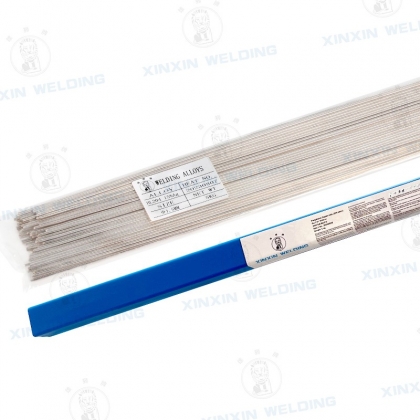
No Rust, Contamination, or Defects: The surface of a high-quality rod should be smooth and clean, without obvious oxidation or contamination.
No Cracks or Defects: The rod should maintain an even diameter, free of cracks, dents, or other noticeable defects.
3. Welding Performance
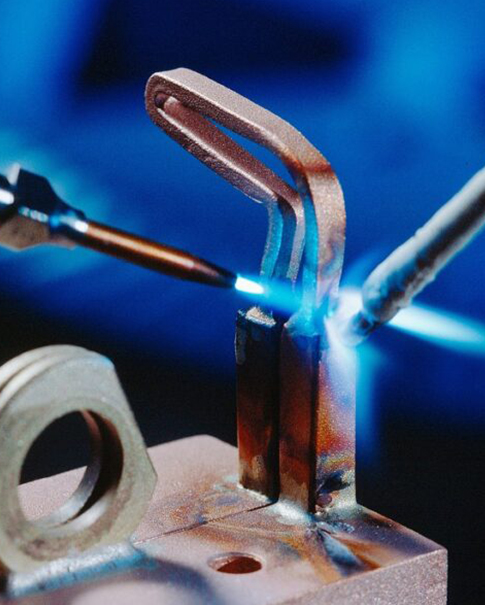
Flowability: A good brass welding rod should flow easily during welding, filling the weld seam and creating a uniform weld joint.
Ease of Welding: High-quality rods can melt at a lower temperature and bond well with the base metal without forming cracks, porosity, or other welding defects.
4. Corrosion Resistance
Oxidation Resistance: A high-quality brass welding rod exhibits strong resistance to oxidation, ensuring that the weld remains intact and does not corrode easily after welding.
5. Elasticity and Strength
Strength Tests: You can perform tensile and bending tests on the welded sample to verify the strength and toughness of the weld joint.
High-Temperature Resistance: Quality brass rods should maintain structural strength at high temperatures without deforming or losing bonding strength.
6. Brand and Supplier
Reputable Brands: Choosing well-known brands typically guarantees the quality of the rods. Established brands usually have stricter quality control standards and provide after-sales support.
Supplier Certification: Opt for certified suppliers (e.g., ISO-certified manufacturers) to minimize the risk of receiving low-quality rods.
7. Packaging and Storage Conditions
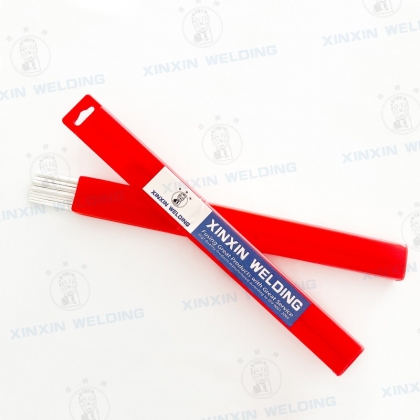
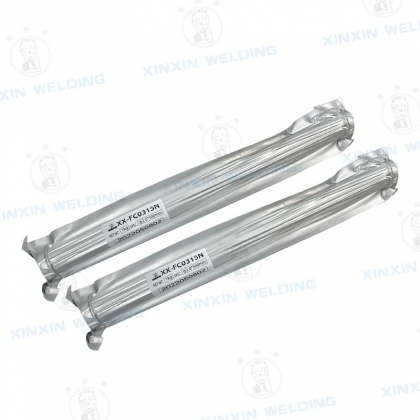
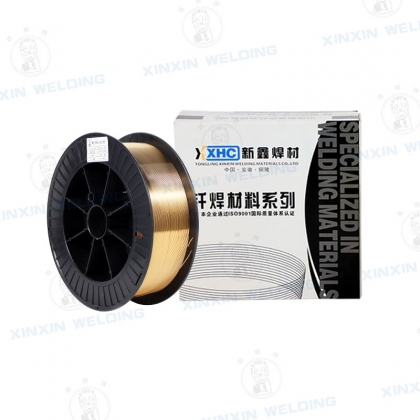
Packaging: High-quality rods should be packaged to prevent moisture and contamination, typically in sealed packaging or plastic tubes.
Storage Conditions: The welding rods should be stored in dry, corrosion-free environments to avoid deterioration due to environmental factors.
By considering these factors, you can effectively judge the quality of brass welding rods, ensuring better welding performance and durability of the joints.
Tel : +86 13705623213
Email : Jasmine@xxhccn.com
Wechat : +8613705623213
Whatsapp : +8613705623213
Address : 4077 Qifeng Road, Tongling, Anhui, China