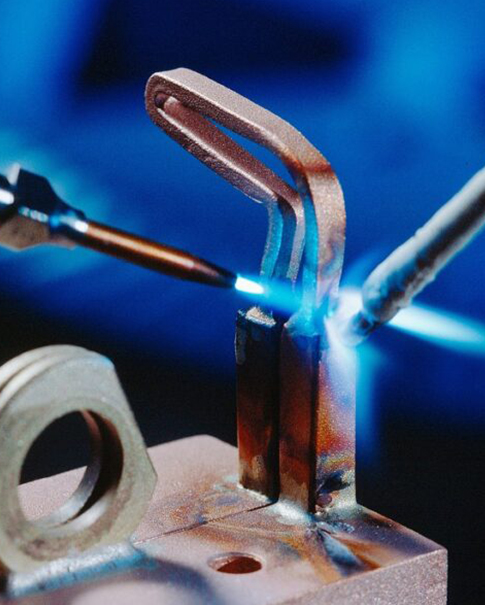
Better Brazing Starts Before the Flame
Many brazing failures are not caused by poor filler metals. They are usually caused by improper preparation, incorrect
flux selection, or overheating during the brazing process.
After supplying brazing materials to HVAC contractors, refrigeration manufacturers, and industrial fabricators worldwide,
the team at XINXIN Welding has summarized several practical brazing tips that can significantly improve joint quality and
reduce rework.
Tip 1: Clean Metal Surfaces Thoroughly
The most common reason for weak brazed joints is contamination.
Oil, grease, paint, rust, and oxidation prevent filler metal from flowing properly.
Tip 2: Always Use the Correct Flux
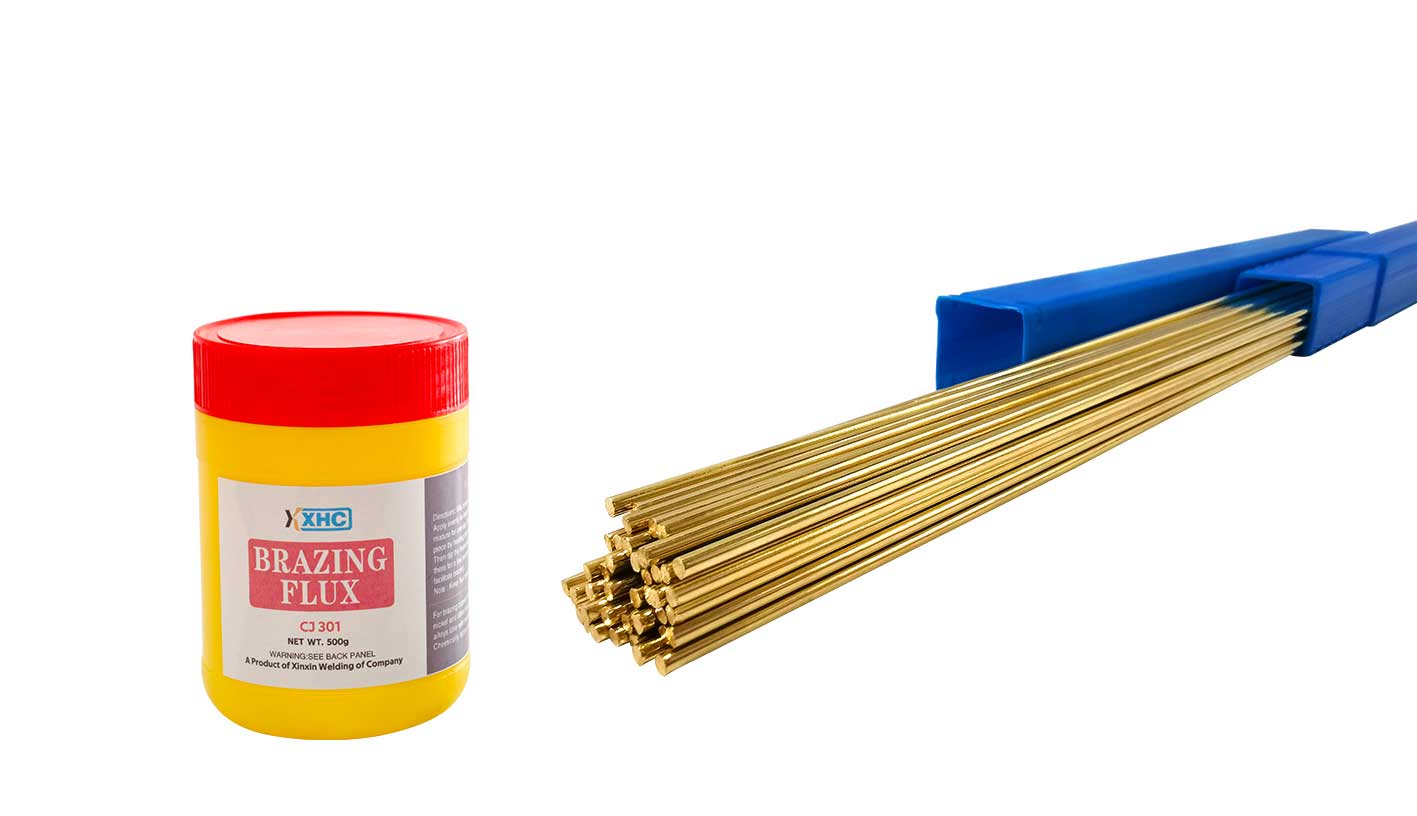
For copper-to-steel or brass brazing applications, XINXIN CJ301 Brazing Flux provides excellent cleaning and wetting
performance.
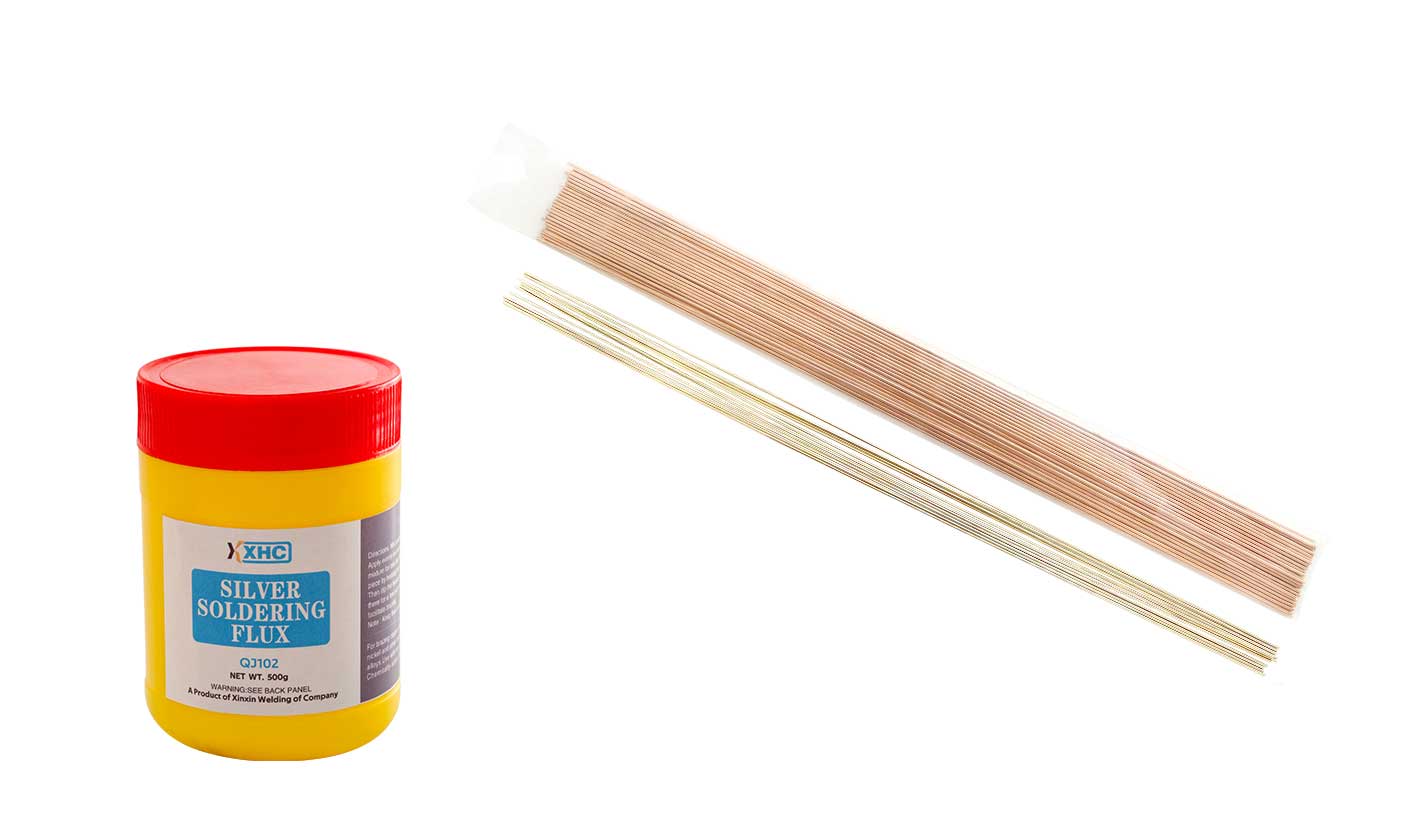
For silver brazing operations, XINXIN QJ102 Silver Brazing Flux offers strong oxide removal and smooth filler flow.
Tip 3: Heat the Base Metal, Not the Brazing Rod
Heat the workpiece evenly and allow the base metal to reach brazing temperature before introducing the filler metal.
Tip 4: Maintain Proper Joint Clearance
In most copper brazing applications, a joint clearance of approximately 0.05–0.20 mm provides excellent results.
Tip 5: Avoid Overheating
Excessive heat can burn flux, cause oxidation, reduce filler metal performance, and distort components.
Tip 6: Select the Right Filler Metal for the Application
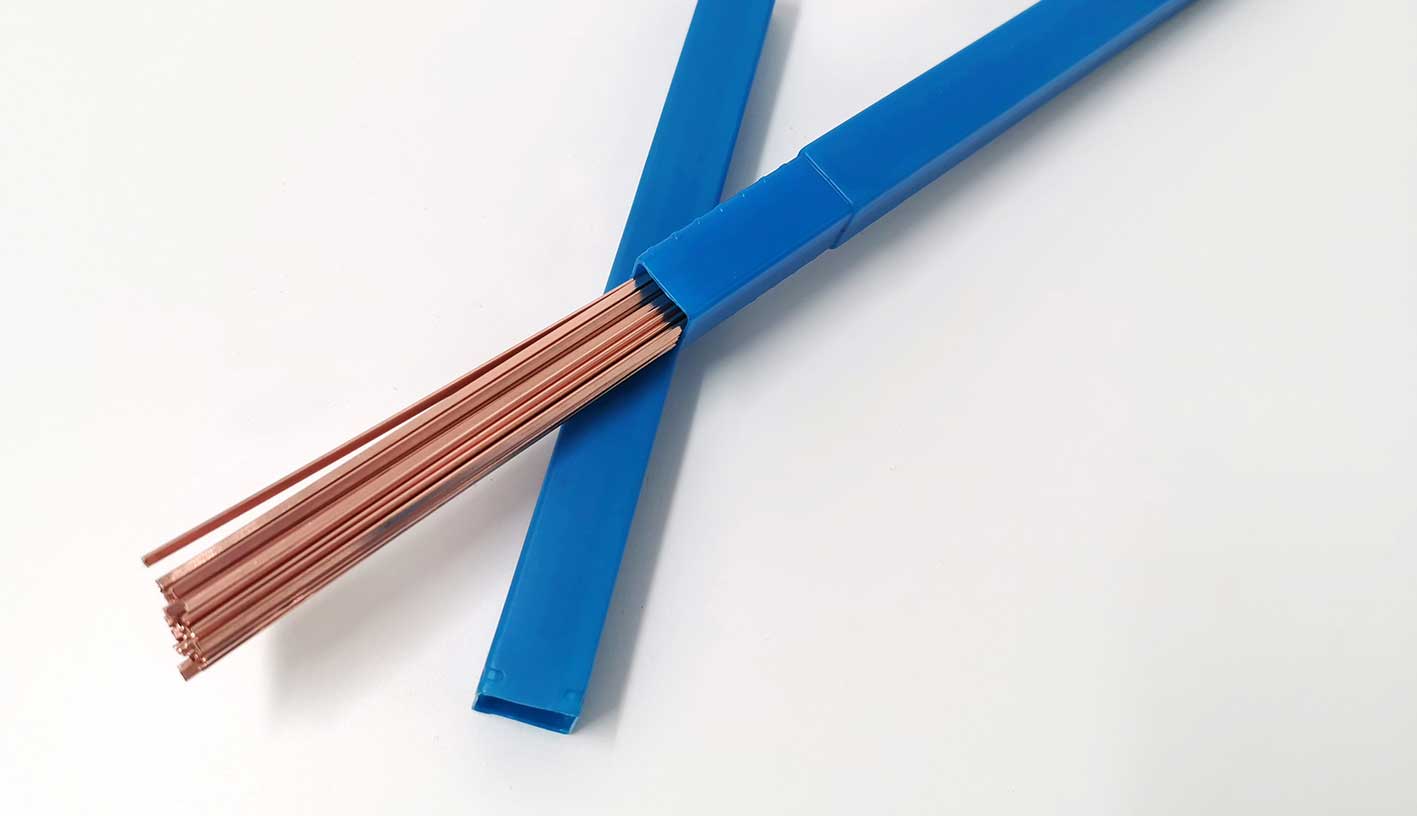
Copper-to-Copper Connections: XINXIN BCuP-2 Brazing Rod
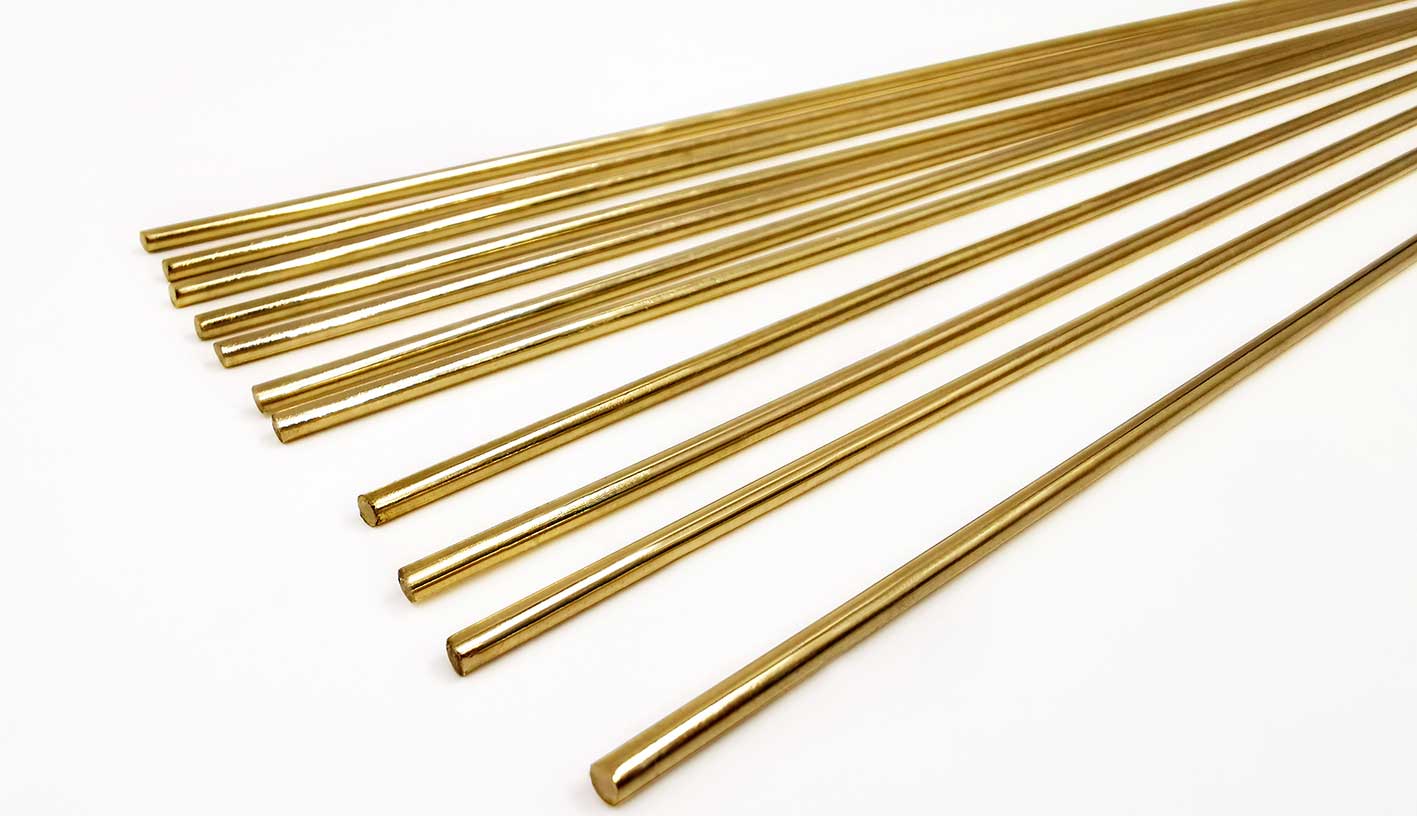
Brass and Steel Fabrication: XINXIN HS221 Brass Brazing Rod
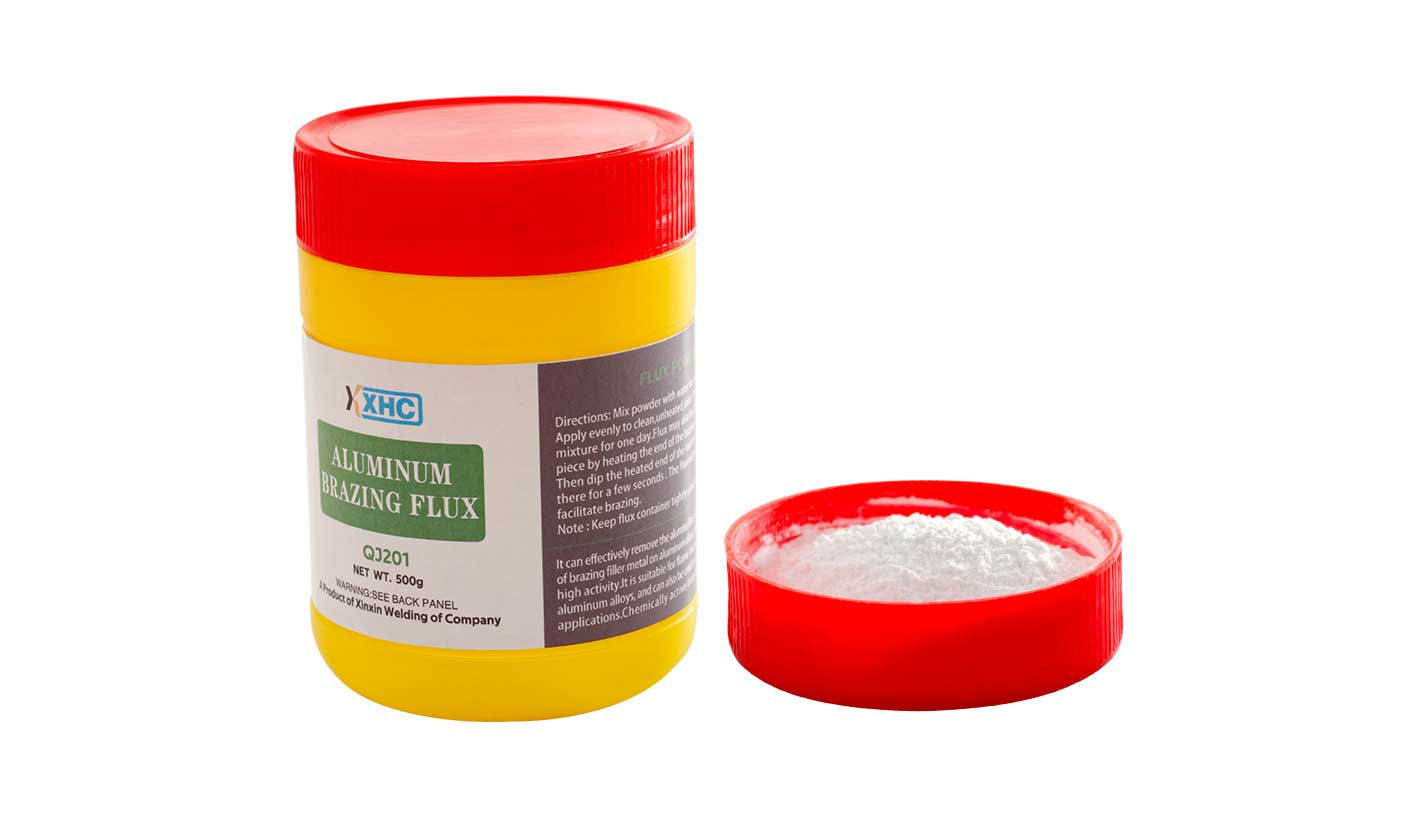
Aluminum Heat Exchangers and Radiators: XINXIN QJ201 Aluminum Brazing Flux
Tip 7: Remove Flux Residue After Brazing
After cooling, remove residual flux and inspect the joint for complete filler penetration.
Final Thoughts
At XINXIN Welding, we supply
● HS221 Brass Brazing Rods
● BCuP-2 Phosphorus Copper Brazing Rods
● QJ102 Silver Brazing Flux
● QJ201 Aluminum Brazing Flux
● CJ301 Brazing Flux
to help customers achieve consistent and professional brazing results.
Tel : +86 13705623213
Email : Jasmine@xxhccn.com
Wechat : +8613705623213
Whatsapp : +8613705623213
Address : 4077 Qifeng Road, Tongling, Anhui, China